
Get Healthy!
- Posted July 7, 2026
Fatty Liver Boosts Odds Of More Deadly Colon Cancer, Study Says
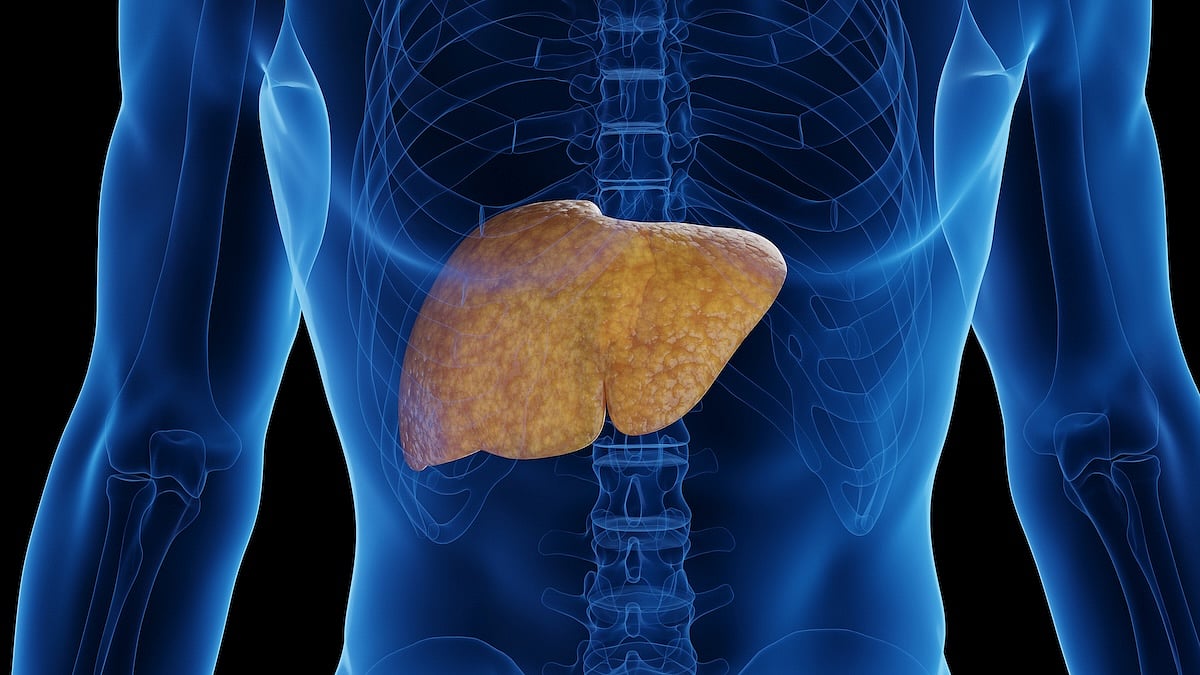
Fatty liver disease can fuel the most aggressive form of colon cancer, a new study says.
People with fatty liver disease are more prone to have their colon cancer travel to their liver as well, causing their survival odds to plummet, researchers reported recently in the journal Nature.
In fact, fatty liver disease appears to rewire a person’s metabolism in ways that increase the risk of cancer spreading to the liver, researchers found.
“This work shows that a condition we typically consider a background metabolic issue can directly shape how cancer behaves,” senior researcher Sarah-Maria Fendt said in a news release. She’s a professor at the VIB-KU Leuven Center for Cancer Biology in Belgium.
“It highlights that the patient’s physiology is not just a bystander, but an active determinant of disease progression,” Fendt said.
Colon cancer accounts for nearly 1 in 10 cancer diagnoses, and is now the leading cause of cancer-related death among people under age 50, researchers said in background notes.
Up to 50% of these patients develop secondary tumors, or metastases. Most are in the liver.
Their chances of survival are strongly affected by how tumors grow within the liver.
If these secondary tumors infiltrate healthy liver tissue, called replacement metastases, their five-year survival rate plummets from about 73% to below 44%, researchers said.
For the study, researchers analyzed samples from cancer patients alongside experimental models.
They found that those with fatty liver were significantly more likely to develop replacement metastases in their liver.
Exploring the biology, researchers found that fatty livers promote cancer growth due to a protein called MYC. This protein promotes an environment that allows cancer cells to infiltrate and expand within the liver.
“In simple terms, the fatty liver provides both the signal and the construction materials that tumors need to grow more aggressively,” Fendt said. “It fundamentally changes the rules of how metastases develop.”
Researchers said this information could be incredibly useful in clinical trials testing drugs that target MYC. The trials might want to focus on people with fatty liver and liver tumors.
“This gives us a powerful new way to stratify patients,” Fendt noted. “By identifying those most likely to benefit, we can make clinical trials more efficient and ultimately bring effective treatments to patients faster.”
The study also showed the steps by which MYC promotes liver cancer, providing researchers a number of potential ways to ward off cancer spread.
“Our results suggest that we can intervene at multiple levels of this process,” Fendt said. “This creates entirely new possibilities for designing therapies that specifically target the most dangerous forms of metastatic disease, particularly in patients with liver conditions.”
More information
The American Liver Foundation has more on fatty liver disease.
SOURCE: VIB-KU Leuven Center for Cancer Biology, news release, July 1, 2026


